September 22, 2026
How a General Dentist in Aurora Can Improve Your Dental Routine at Home
By @keegancopu704
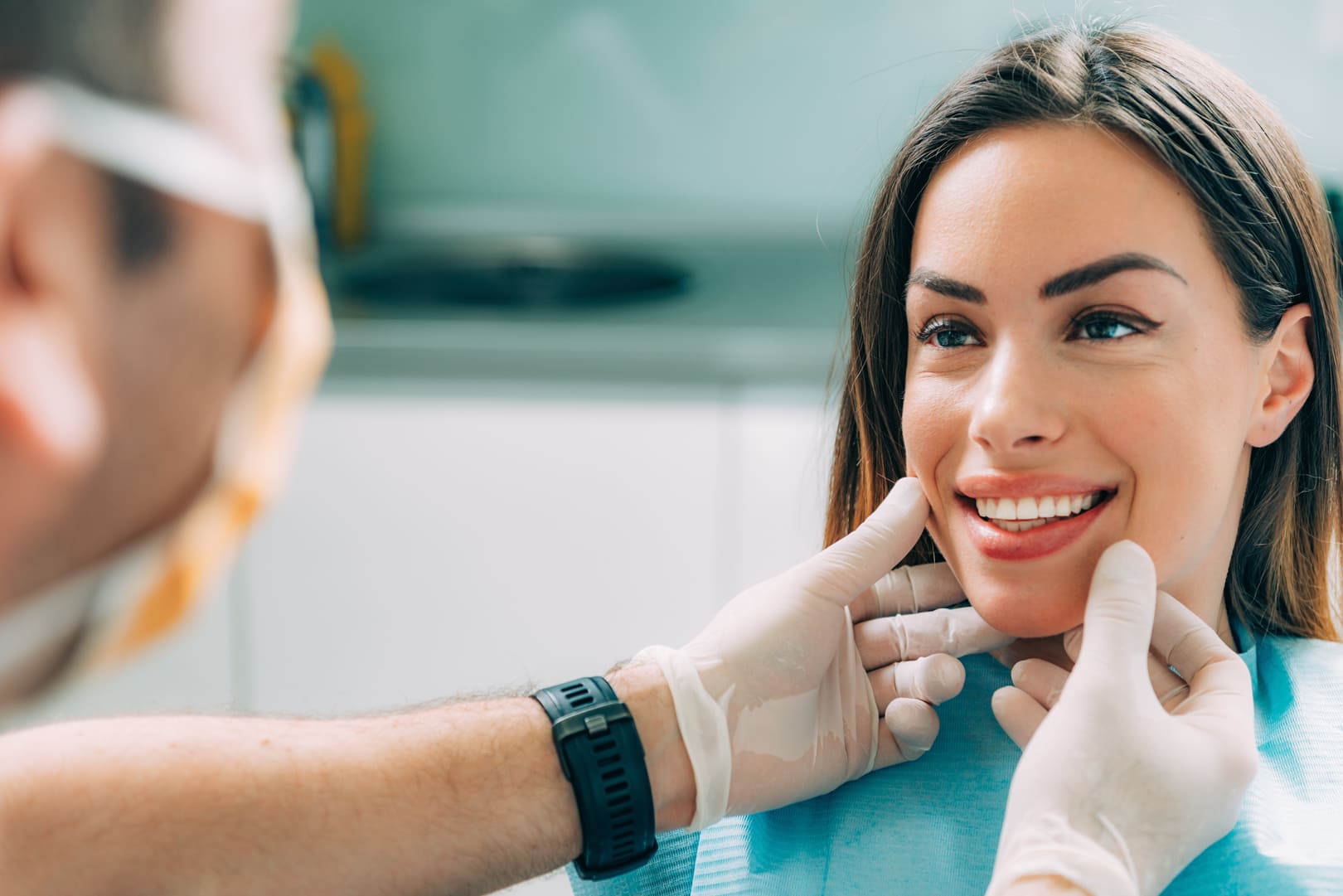
A strong at-home dental routine rarely starts with a toothbrush purchase. It usually starts with a conversation. Someone comes into the office convinced they are doing everything right, brushing twice a day, flossing most nights, avoiding candy, yet they still have bleeding gums, recurring sensitivity, or a cavity that feels like it came out of nowhere. That is where a skilled general dentist can make a real difference, not just by treating problems, but by showing you how to prevent the next one in ways that actually fit your life.
For many patients, the most useful part of a dental visit is not the cleaning or even the exam. It is the practical guidance that turns vague advice into a routine that works at home. A general dentist in Aurora sees patterns every day: people who brush too hard, people who miss the gumline, people who snack often without realizing how much that affects enamel, and people who buy expensive products that do less than a simple technique change.
Home care is where dental health is built or lost. Office visits matter, but they are periodic. Your daily habits shape the condition of your teeth and gums far more consistently than any six-month appointment. The value of working with a local dentist is that the advice can be specific, realistic, and tailored to your mouth rather than based on generic tips from a label or a social media clip.
Why general dental care changes what happens at your bathroom sink
Most people learn to brush and floss once, usually as children, then keep repeating the same motions for years. The problem is that mouths change. Fillings alter tooth contours. Gums recede. Crowns, bridges, aligners, retainers, and implants create areas that trap plaque differently. Medications can dry the mouth. Stress can trigger grinding. Age alone changes dexterity and sensitivity.
A good dentist pays attention to these shifts and updates your routine accordingly.
That matters because oral hygiene is not one-size-fits-all. A teenager with braces needs different tools than a retiree with gum recession. A person with tight contacts between teeth may need waxed floss or a floss holder. Someone with repeated decay near the gumline may benefit from prescription fluoride or a change in when they brush after acidic foods. These are not cosmetic details. They are the difference between a routine that feels responsible and one that actually protects your teeth.
A general dentist in Aurora can also account for local lifestyle patterns. In many households, busy school schedules, commuting, youth sports, coffee habits, and cold weather routines all affect consistency. People sip more hot drinks, rely on convenience foods, or grind their teeth under stress during certain seasons. Dentistry is local in ways many people do not think about. Good advice works best when it meets real routines, not ideal ones.
The first improvement is often technique, not effort
One of the most common things dentists see is overbrushing. Patients assume cleaner means harder, so they scrub aggressively, especially along the front teeth. The result is often worn enamel at the gumline, irritated tissue, and persistent sensitivity to cold air or cold drinks.
A better approach is controlled, gentle brushing with a soft-bristled brush or an electric brush used correctly. Short passes, angled toward the gumline, tend to remove plaque more effectively than forceful back-and-forth strokes. The irony is that people who work hardest at brushing are sometimes the ones damaging their gums the most.
The same principle applies to timing. Two full minutes sounds simple, but many people finish in 40 to 60 seconds. A dentist who watches your brushing description, reviews your plaque pattern, or notices where tartar accumulates can usually tell where your routine is falling short. Often the fix is not dramatic. It might be slowing down and dividing the mouth into sections. It might be brushing at night more carefully rather than rushing through both sessions. It might be switching from a medium brush to a soft one.
These are small adjustments, but they compound quickly. In practice, when patients improve technique, bleeding often drops within a week or two. Sensitivity may ease if they stop scrubbing exposed root surfaces. Stain buildup slows when plaque removal becomes more thorough.
Flossing advice is more useful when it is specific
“Floss more” is easy to say and easy to ignore. What patients need is specific instruction for the spaces they actually have.
Some people snap floss straight through the contact and pull it back out, which does very little for the tooth surface. The goal is to guide the floss gently under the gumline and wrap it around the side of each tooth in a C shape. That is where the plaque tends to linger. If a patient has a bridge, implant, bonded retainer, or wider spaces from gum recession, standard floss may not be enough or may be awkward to use. In those cases, floss threaders, interdental brushes, or a water flosser may be more realistic.
This is where a general dentist becomes useful in a very practical way. During an exam, they can point out exactly where inflammation is starting. Maybe the lower front teeth collect tartar because the salivary glands empty nearby. Maybe the upper molars are hard to reach because the cheek gets in the way. Maybe there is one crowned tooth with a margin that traps food. Once you know the specific weak points, home care stops feeling abstract.
Many patients are relieved to hear that the “best” tool is often the one they will use consistently. Traditional string floss works very well, but if someone never uses it and will reliably use interdental picks made for safe gum access, that may be a better real-world choice. Good dentistry includes judgment, not just ideals.
Product recommendations should match your actual risks
The dental aisle is crowded with products that promise whitening, enamel repair, fresh breath, gum detox, and sensitivity relief all at once. Most people do not need a dozen specialized products. They need a few well-chosen ones that fit their risk profile.
A patient prone to cavities may need fluoride to take priority over whitening. A patient with dry mouth may benefit more from saliva support and hydration strategies than from a harsher mouthwash that leaves the mouth feeling “clean” but drier. A person with gum inflammation might do better with an alcohol-free rinse and better interdental cleaning rather than adding another abrasive toothpaste.
A dentist can usually narrow this down quickly because the signs are visible. Recurrent decay, recession, plaque retention, clenching wear, staining pattern, and tissue condition all tell a story.
Here are a few examples of how those recommendations often change at home:
- If you get cavities often, fluoride toothpaste matters more than trendy whitening formulas.
- If your gums bleed, technique and daily plaque removal matter more than a stronger-tasting rinse.
- If your teeth are sensitive, a soft brush and desensitizing toothpaste often help more than brushing longer.
- If you have dry mouth, sipping water, using xylitol products, and avoiding drying rinses can protect enamel.
- If you grind your teeth, a night guard discussion may matter as much as your brushing routine.
The point is not to build a complicated system. It is to match the product to the problem. That is what a good general dentist in Aurora can do during a routine visit, especially when they see the same patient over time and notice patterns.
Timing matters more than many people realize
People often focus on whether they brushed, but not when. Timing can change the impact of your routine.
Nighttime brushing is the most important session for most adults. Saliva flow drops while you sleep, which means your mouth has less natural protection against acids and bacteria overnight. If plaque and food debris sit on the teeth for eight hours, the environment favors irritation and decay. A thorough nighttime routine generally matters more than a hurried morning one.
There is also the issue of brushing after acidic intake. If you drink orange juice, soda, sports drinks, wine, or even sparkling water frequently, your enamel can be softened temporarily. Brushing immediately afterward may increase wear, especially if you already brush hard. In those situations, rinsing with water and waiting a bit before brushing can be smarter.
A dentist may also ask about grazing habits. Frequent snacking keeps the mouth in a more acidic state because the bacteria feeding on carbohydrates produce acids repeatedly through the day. Someone who eats small bites constantly, even “healthy” snacks like dried fruit or crackers, may be stressing enamel more than someone who eats regular meals and gives the mouth time to recover.
These are the kinds of details people often never connect to their dental symptoms until a dentist explains the mechanism. Then the advice clicks.
Your gums are often the clearest report card
A lot of patients judge oral health by whether they have a toothache. That is understandable, but pain is a late sign. Gum tissue gives earlier, clearer feedback.
Healthy gums usually do not bleed with gentle brushing or flossing. If they do, that often means plaque is irritating the tissue. People sometimes stop flossing the area because it bleeds, which is exactly the opposite of what tends to help. When done gently and consistently, better cleaning usually reduces bleeding rather than worsening it.
That said, judgment matters here. If someone has heavy tartar buildup, very inflamed gums, certain medications, or dexterity issues, pushing harder at home can backfire. Professional cleaning may need to come first, followed by a simplified routine the patient can maintain.
Dentists also look at where the bleeding occurs. Generalized bleeding may suggest overall plaque accumulation or hormonal changes. Localized bleeding may point to one hard-to-clean site, a rough restoration margin, food impaction, or early periodontal issues. This is why personalized advice is so much more effective than broad internet guidance.
When patients understand that gum health is not separate from tooth health, their routines often improve. Gum disease does not always hurt in the early stages, but it can quietly lead to deeper pockets, recession, and eventually tooth support loss. Home care is the first line of defense.
If you have dental work, your home routine needs upgrades
Fillings, crowns, bridges, implants, dentures, retainers, and aligners all change the maintenance picture. Yet many people keep the same routine they had before any of that dental work existed.
Crowns and fillings are not immune to decay. They can develop problems at the margins where plaque accumulates. Bridges require cleaning underneath the false tooth. Implants need careful plaque control because the surrounding tissue can become inflamed. Clear aligners trap saliva and debris against the teeth if they are worn after snacking without rinsing or brushing. Night guards and retainers need regular cleaning, or they can become reservoirs for odor and buildup.
Patients are often surprised by how much these details matter. A well-made restoration can still fail early if home care does not support it. On the other hand, good maintenance can extend the life of dental work considerably.
A general dentist can demonstrate where to angle a brush General Dentist Aurora around a crown, how to thread floss beneath a bridge, or what cleaning method is safest for an appliance. Those five minutes of instruction often save far more time, discomfort, and expense later.
Children, teens, and adults do not need the same coaching
In family dental care, the biggest mistake is assuming everyone in the home can follow the same routine. They cannot.
Children often need supervision longer than parents expect. Many can brush independently before they can brush effectively. They may miss the back molars, rush the chewing surfaces, or spit out toothpaste too quickly. Teens may understand technique but struggle with consistency, especially with retainers, sports schedules, and sugary drinks. Adults often know what to do but become inconsistent because of fatigue, travel, caregiving, or work pressure.
Dentists who care for whole families know how routines break down at different ages. For a child, the answer may be parental help at night and a pea-sized amount of fluoride toothpaste. For a teen with braces, it may be carrying a travel brush and making peace with a few extra minutes of cleanup after meals. For an adult with recession and sensitivity, it may mean less pressure, more fluoride, and targeted cleaning around old dental work.
That age-specific coaching is part of what makes general dentistry so useful. It is not just treatment. It is pattern recognition across life stages.
Small changes that tend to pay off quickly
When people want better oral health, they often assume they need a full lifestyle overhaul. In practice, a few well-chosen changes can make a visible difference within weeks.
Consider the patient who always brushed in the morning but fell asleep without brushing at night. Fixing that one habit can lower plaque load dramatically. Or the patient who used whitening toothpaste and complained of sensitivity, then improved after switching to a gentler fluoride toothpaste and reducing brushing pressure. Another common example is the person who drank coffee over three hours every morning. They were not consuming much sugar, but the repeated exposure plus dry mouth was contributing to staining and decay risk. Shortening the sipping window and rinsing with water helped more than they expected.
A local dentist often spots these patterns because they hear the same stories repeatedly, with slight variations. The best advice tends to be practical, not performative. It fits the life you are actually living.
What to bring up at your next appointment
A productive dental appointment is not just about answering questions. It is also about raising the right ones. If you want better results at home, ask for feedback that is specific to your mouth.
You might ask where plaque or tartar tends to build up most on your teeth. You might ask whether you are brushing too hard, whether your flossing method is effective, or whether your toothpaste matches your cavity and sensitivity risk. If you have appliances or restorations, ask how they should change your cleaning routine. If your mouth feels dry, if your gums bleed, or if cold drinks have become uncomfortable, bring that up early.
A helpful dentist should be able to show, not just tell. A mirror, a quick demonstration, or a recommendation based on what they see during your exam can turn broad advice into a plan you can follow that same evening.
Consistency beats intensity
People often approach dental care the way they approach short-lived health kicks. They become highly motivated after an appointment, buy several new products, floss aggressively for four nights, then drift back to old habits. Teeth and gums respond better to consistency than intensity.
Two minutes of careful brushing twice a day, one dependable interdental cleaning session, and product choices that fit your needs will usually outperform a complicated routine you cannot sustain. This is another place where a general dentist helps. They can scale the routine to the patient. For a highly motivated person with implants and gum issues, the plan may be more detailed. For someone who is overwhelmed, the smartest plan may be to lock in just a few essentials first.
That balance matters. The best dental routine is not the most ambitious one. It is the one you can maintain when work gets busy, when school starts, when you are traveling, and when you are tired.
The value of local follow-through
There is a practical advantage to seeing the same dental office over time. Advice gets better when it is based on trends rather than snapshots. If your dentist saw early decalcification six months ago and now sees improvement, that says your routine is working. If the same bleeding spot keeps showing up, they can revisit the area and refine the plan. If sensitivity has worsened despite product changes, they can evaluate whether the cause is wear, recession, a crack, grinding, or decay.
That continuity is especially useful in preventive care, because prevention is measured in what does not happen. Fewer cavities. Less bleeding. Slower wear. Stable bone levels. Restorations that last longer. These are quiet successes, but they matter.
For patients looking for a General Dentist Aurora residents can rely on, this is often the real benefit. You are not just getting your teeth checked. You are getting an informed second set of eyes on the habits you repeat every day at home.
Better home care is usually simpler than people think
The most effective dental routines are rarely elaborate. They are thoughtful. They account for risk, anatomy, age, existing dental work, and daily habits. They replace guesswork with a system that has been adjusted to your mouth.
A general dentist plays an important role in that process. They can catch the small signs you may not notice yet, explain why those signs are happening, and help you make changes that are realistic enough to stick. Sometimes that means refining your brushing angle. Sometimes it means changing toothpaste, adding fluoride, cleaning between teeth more effectively, or protecting your mouth from dryness or grinding. Often, it means recognizing that your routine is not failing because you do not care, but because no one has tailored it properly.
That is why the best dental visits often improve what happens long after you leave the chair. The right guidance turns home care from a generic habit into preventive care with purpose.
Aspenwood Dental Associates and Colorado Dental Implant Center
Address: 2900 S Peoria St Ste C, Aurora, CO 80014
Phone number: +13037314037
FAQ About General Dentist Aurora
What is meant by general dentistry?
General dentistry refers to the primary, foundational tier of oral healthcare, focused on the prevention, diagnosis, and treatment of conditions affecting the teeth, gums, and jaw. General dentists serve as a patient's main, long-term dental care provider—much like a primary care physician.
What is general dentistry and orthodontics?
General dentistry and orthodontics are two specialized branches of dental care. General dentistry serves as your primary care for overall oral health, focusing on routine cleanings, fillings, and disease prevention. Orthodontics is a specialized field focused entirely on diagnosing and correcting misaligned teeth and jaw structures using braces or clear aligners.
What are type 3 dental services?
Type 3 dental services typically include major restorative treatments that repair or replace damaged or missing teeth. These services are more complex and costly than preventive or basic dental care. Common examples of type 3 dental services include: Dental crowns.
❧