November 17, 2026
Dental Emergency Aurora Services for Unexpected Dental Pain
By @keegancopu704

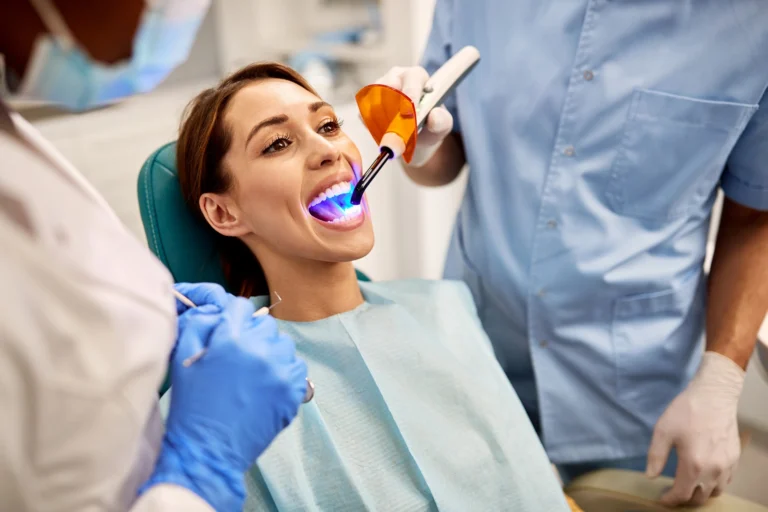
Unexpected dental pain has a way of taking over everything. It can start as a dull ache during dinner, then turn into throbbing pressure that keeps you awake at 2 a.m. It can arrive after a hockey puck to the mouth, a cracked molar on a popcorn kernel, or a swelling that seems minor at breakfast and alarming by evening. When that happens, most people are not thinking about ideal treatment plans or long term cosmetic goals. They want the pain under control, they want to know whether the problem is serious, and they want help fast.
That is where Dental Emergency Aurora services matter. A good emergency dental visit is not just about squeezing a patient into the schedule. It is about triage, pain relief, diagnosis, and making careful decisions under pressure. In practice, emergency care often means figuring out whether the issue can wait a day, whether infection is spreading, whether a tooth can still be saved, and what immediate steps will protect both oral and overall health.
People often assume dental emergencies are obvious. Some are. A knocked out tooth, significant swelling, uncontrolled bleeding, or severe pain after trauma rarely leaves much room for doubt. But many cases sit in a gray zone. A broken filling may feel manageable for a few hours, then expose sensitive dentin and become suddenly unbearable. A cracked tooth may look small in the mirror but extend below the gumline. A bad toothache may actually be a sign of infection deep in the pulp, even if there is no visible cavity. Experience matters because what looks routine on the surface can turn into a bigger problem if left alone.
When dental pain stops being something to “watch”
Many people try to wait out oral pain longer than they should. That is understandable. Busy schedules, concern about cost, and the hope that the pain will settle down all push people to delay. Sometimes minor gum irritation does improve with home care. True emergencies usually do not.
Pain that wakes you up, radiates to the jaw or ear, worsens when you bite, or comes with swelling deserves prompt attention. So does a tooth that feels loose after an injury, a crown that has come off and exposed a tender tooth, or bleeding that does not stop after reasonable pressure. One practical test I often recommend is simple: if you are changing how you eat, speak, sleep, or concentrate because of the pain, it is time to call.
Aurora families also run into seasonal patterns. Winter slips on ice lead to chipped incisors and jaw injuries. Summer sports bring mouth trauma, especially in children and teens who skip mouthguards for “just one practice.” Holiday weekends produce their own brand of dental emergencies, often from hard foods, sticky candy, or delayed care turning into acute infection when offices are closed. Timing matters because infections and fractures rarely improve through wishful thinking.
What usually qualifies as a dental emergency
Emergency dental care is broader than many people think. It includes obvious trauma, but it also covers urgent conditions that threaten the tooth, surrounding tissue, or your ability to function normally.
Here are the situations that most often require same day or next day attention:
- Severe toothache, especially with swelling, fever, or pain on biting
- Knocked out, cracked, chipped, or broken teeth after an accident
- Lost crowns, bridges, or fillings that expose sensitive tooth structure
- Gum or facial swelling, abscesses, or drainage with a bad taste
- Bleeding that does not stop, or pain after an extraction that is getting worse instead of better
That list is not exhaustive, but it covers what emergency dental teams see every week. There are also less dramatic cases that still merit urgent care, such as a denture break before an important event, a wire from braces cutting into soft tissue, or a sudden inability to close your teeth together comfortably after trauma.
One of the most misunderstood emergency symptoms is swelling. People sometimes focus only on the tooth pain and ignore the swelling in the gum, cheek, or under the jaw. Swelling can signal an active infection, and dental infections do not always stay local. If there is facial swelling, fever, difficulty opening the mouth, trouble swallowing, or trouble breathing, the urgency rises quickly. Those signs may require not only a dentist but, in some cases, hospital based care.
What happens during an emergency dental appointment
The best emergency visits are efficient without feeling rushed. First, the team usually asks targeted questions: when the pain started, whether it is constant or triggered by heat, cold, or pressure, whether there was trauma, whether swelling is present, and what medications you have taken. Those details matter more than people realize. Sharp pain to cold suggests one pattern. Pressure pain with swelling suggests another. Lingering spontaneous pain often points to inflamed or infected pulp.
From there, the dentist examines the painful area and often takes focused X-rays. In trauma cases, they may assess neighboring teeth as well, because the tooth that hurts is not always the only one injured. They will check for cracks, percussion sensitivity, mobility, deep decay, abscess formation, and how the teeth bite together.
The immediate goal is not always definitive treatment in one visit. Sometimes it is, especially for simple repairs. Other times, emergency care means stabilizing the situation. A dentist may smooth a sharp fracture, place a temporary filling, recement a crown, drain an abscess, prescribe antibiotics when clinically indicated, or begin root canal therapy to relieve pressure. In more severe cases, extraction may be the most predictable and safest option, particularly if the tooth is structurally unsalvageable or the infection is advanced.
That distinction is important. Emergency dentistry is not just “fix it now.” It is “do what is most appropriate now.” There are cases where a tooth can technically be saved, but only with extensive treatment, uncertain prognosis, and significant cost. There are other cases where a quick extraction resolves pain, removes infection, and creates a cleaner path toward replacement later. Good emergency care includes that judgment, not just speed.
The first hour matters more than most people think
The early steps you take at home can affect the outcome, especially with trauma. If a permanent tooth is knocked out, for example, the window for successful reimplantation is limited. The tooth should be handled by the crown, not the root, gently rinsed if dirty, and placed back into the socket if possible. If that is not realistic, storing it in milk or a tooth preservation solution is often better than wrapping it in tissue and letting it dry out. Minutes count.
For a cracked or broken tooth, rinsing with warm water and using a cold compress on the outside of the face can help. For a lost filling or crown, keeping the area clean and avoiding chewing on that side reduces the chance of further damage. With swelling or suspected infection, people sometimes place aspirin directly on the gum. That is a mistake. It can chemically burn the tissue and does nothing meaningful for the source of the pain.
This short checklist covers the safest immediate steps while you arrange care:
- Rinse gently with warm salt water if the area is irritated or bleeding lightly
- Use a cold compress on the cheek for swelling or trauma, 10 to 15 minutes at a time
- Take over the counter pain relief as directed, if you can safely use it
- Save broken tooth fragments, crowns, or a knocked out tooth if applicable
- Call an emergency dentist promptly, and describe swelling, trauma, or fever clearly
A brief word about pain medicine: alternating or combining common over the counter options may help some adults, but that depends on medical history, allergies, stomach issues, kidney disease, blood thinners, pregnancy, and other factors. It is wise to stay within labeled dosing and ask the dental team what is appropriate for you.
Why severe tooth pain can feel out of proportion
Patients sometimes apologize during emergency visits because “it’s just a tooth.” Anyone who treats dental pain regularly knows that is nonsense. Tooth pain can be intense because the pulp is trapped within hard tissue. When inflammation builds inside that confined space, pressure rises. That is why even a small area of infection or irritation can create pain that feels disproportionate to what you see in the mirror.
A lower molar with irreversible pulp inflammation may send pain toward the ear and down the jaw. An upper tooth can refer pain toward the cheek, temple, or sinus area. People occasionally assume they have a sinus infection when the real problem is an upper premolar or molar. The reverse can also happen, which is why a careful exam matters. It is easy to chase the wrong diagnosis when facial pain overlaps.
There is also a timing issue. Early pulp irritation often causes sensitivity to cold or sweets. Later, as the nerve begins to die, cold sensitivity may fade, and the patient falsely assumes the tooth is improving. Then pressure pain, swelling, Dental Emergency Aurora or a bad taste appears as infection spreads beyond the root. That pattern catches people off guard all the time.
Emergency care for children in Aurora
Children bring a different set of concerns. They fall, they run with objects in their mouths, and they are not always able to describe pain clearly. With children, parents tend to focus on visible damage, but behavior changes are often the first clue. A child who suddenly refuses crunchy foods, cries during brushing, or wakes at night with jaw pain may need urgent dental evaluation even if nothing obvious is visible.
Primary teeth and permanent teeth are managed differently in trauma. A baby tooth that is knocked out is generally not reimplanted because of the risk to the developing permanent tooth underneath. A permanent tooth in an older child or teen is another matter entirely. Fast action can make the difference between saving and losing that tooth.
Emergency pediatric visits also require a calm, efficient approach. A frightened child in pain does not benefit from a complicated lecture. The immediate priorities are comfort, assessment, and a clear plan for the parent. In real practice, that often means using simple language, controlling pain first, and explaining what can be done now versus what may need follow up once the child is settled.
What Dental Emergency Aurora clinics often treat on the spot
Some emergency cases end with full relief in one visit. A lost crown can often be recemented if the underlying tooth is sound. A rough chip can be smoothed or bonded. A painful area caused by food impaction around the gum may improve quickly after cleaning and irrigation. Denture repairs can sometimes be handled faster than patients expect.
Other issues need staged care. A deep infection may need Dental Emergency Aurora drainage and medication, followed by root canal treatment or extraction. A fractured cusp might receive a temporary build up now and a crown later. A traumatic injury can require initial stabilization, then follow up vitality testing over weeks or months. Teeth do not always declare their full condition on day one after an accident.
That uncertainty is one reason experienced clinicians avoid overpromising during emergencies. A tooth may respond normally at first, then lose vitality later. A crack may appear superficial but reveal deeper involvement once the area is cleaned and isolated. Good emergency dentistry balances decisive action with honest caution.
Cost, timing, and the decisions patients actually face
When pain hits unexpectedly, practical questions come fast. Can I be seen today? Will insurance help? Is treatment going to be a filling, a root canal, or an extraction? Those are fair questions, and the honest answer is that the diagnosis drives the cost, not the pain level alone.
A short emergency exam and X-rays are often the first step. From there, treatment ranges widely. Recementing a crown is different from draining an abscess. Smoothing a chipped edge is different from replacing a tooth. For many families, the urgent decision is not “What is the ideal 20 year plan?” It is “What is the best and safest thing we can do today within real budget limits?” A professional response should respect that reality.
The right clinician will explain the trade-offs clearly. Saving a tooth may preserve function and bone, but it may also require root canal treatment and a crown. Extraction may cost less upfront and end pain quickly, but replacement later with an implant or bridge can become more expensive overall. There is no one size fits all answer. Age, oral hygiene, fracture depth, bite forces, medical history, and finances all play a role.
Choosing an emergency dentist when you are under pressure
People do not always have the luxury of careful research when pain is severe. Still, a few qualities matter. Availability matters, but so does the ability to diagnose accurately and communicate plainly. The office should be able to tell you whether they handle same day urgent cases, whether they can manage trauma, and what to do before you arrive. That first phone conversation often tells you a lot. If the team asks the right questions about swelling, fever, injury, or bleeding, they are thinking clinically, not just administratively.
For Dental Emergency Aurora patients, location and accessibility also matter more than usual. A nearby clinic reduces delay when you are in pain, and that matters for work, school pickup, and winter driving. For older adults, ease of entry and appointment coordination can make an already stressful day more manageable. For parents, seeing a practice that understands both child and adult emergencies is a practical advantage.
The cases that should not wait for a routine appointment
Many people try to self-sort their dental problem into “urgent” and “not urgent,” and they often underestimate the serious side. If you have facial swelling, fever, pus, a bad taste from drainage, trauma that changed your bite, a knocked out permanent tooth, or pain intense enough that you cannot sleep, waiting for a routine opening is risky. The same is true if you are immunocompromised, pregnant with signs of infection, or managing a medical condition that makes infection harder to control.
There is also the matter of airway risk. Any swelling under the tongue, in the floor of the mouth, or causing trouble swallowing or breathing moves beyond a standard dental inconvenience. That needs immediate attention, and sometimes emergency medical care rather than a routine dental chair first. Most patients do not need that level of intervention, but those who do should not lose time second guessing themselves.
Preventing the next emergency without pretending all emergencies are preventable
Not every emergency is avoidable. People fall. Fillings fail. Teeth crack under forces that would surprise you. Still, many emergency visits trace back to issues that were brewing for months. A small cavity that was postponed becomes an abscess. A cracked filling becomes a broken tooth. A neglected night guard for grinding becomes a fractured molar.
Prevention is less glamorous than emergency care, but it is usually cheaper and easier. Regular exams catch decayed margins under crowns, stress fractures in heavily filled teeth, and gum problems before they become painful. Mouthguards for sports work. Night guards for clenching help many patients preserve heavily restored teeth. Replacing old restorations before they fail catastrophically can spare both pain and cost.
There is a useful distinction here. Good preventive dentistry does not promise that emergencies will never happen. It simply shifts the odds in your favor. Over time, that matters a great deal.
Pain relief is important, but diagnosis is what changes the outcome
A common pattern in urgent dental situations is temporary relief followed by relapse. A patient takes pain medication, feels better for six hours, and decides the problem has passed. Then the pain returns stronger, often at the worst possible time. That is because pain control and disease control are not the same thing. Medication can reduce symptoms. It does not remove decay, close a fracture, or eliminate a dead nerve.
The same is true with antibiotics. Patients sometimes assume antibiotics are the answer to every dental emergency. They are not. If the issue is inflamed pulp without active spreading infection, antibiotics may offer little benefit. If there is a localized abscess, drainage or direct treatment of the tooth is often what actually resolves the problem. Used appropriately, antibiotics are valuable. Used as a substitute for treatment, they often delay the real solution.
That is why prompt assessment matters so much. The sooner a dentist can identify whether the problem is nerve related, structural, infectious, traumatic, or periodontal, the sooner treatment becomes targeted instead of reactive.
What to remember when pain hits out of nowhere
Unexpected dental pain is disruptive, but it is easier to manage when you treat it as a time sensitive health issue rather than an inconvenience. Fast action does not always mean dramatic treatment. Sometimes it means a precise diagnosis, a temporary stabilization, and a plan that prevents the situation from escalating. Other times, it means urgent intervention to save a tooth or control a spreading infection.
For anyone searching for Dental Emergency Aurora care, the practical goal is simple: find a team that can see urgent cases promptly, assess the real cause of the pain, and guide you through the immediate and next-step decisions with clarity. When a tooth breaks, a filling fails, or an infection flares up, speed matters. So does judgment. The right combination of both is what turns a miserable day into a manageable one.
Aspenwood Dental Associates and Colorado Dental Implant Center
2900 S Peoria St Ste C, Aurora, CO 80014, United States
+1 303-731-4037
FAQ About Dental Emergency Aurora
What qualifies as a dental emergency?
A dental emergency is any oral injury or condition that involves severe pain, uncontrolled bleeding, or a potential infection that puts a tooth or your overall health at risk.
Can the ER do anything for a tooth?
AI Overview An emergency room (ER) cannot fix or pull a tooth, perform root canals, or provide long-term dental care, because most ERs do not have dentists on staff.
What is the 3-3-3 rule for tooth infection?
The 3-3-3 rule for a tooth infection or severe toothache is a short-term over-the-counter pain management strategy. It involves taking 600 mg of ibuprofen (typically three 200 mg tablets) 3 times a day for no more than 3 days.
❧